

Integrative Approach to Insulin Resistance: Why You Still Crave Carbs And How to Fix It
As spring brings a focus on health, many try to eat better, but persistent cravings for sugar and refined carbs often intensify, leading people to blame a lack of discipline. However, these cravings are usually a physiological signal, often pointing to insulin resistance.
This metabolic condition impairs the body’s ability to regulate blood sugar, causing a cycle of energy crashes, hunger spikes, and ongoing cravings that hinder weight loss. To truly reset your metabolism, you must move beyond calorie restriction and strategically address insulin resistance at its root, stabilizing energy and naturally reducing cravings.
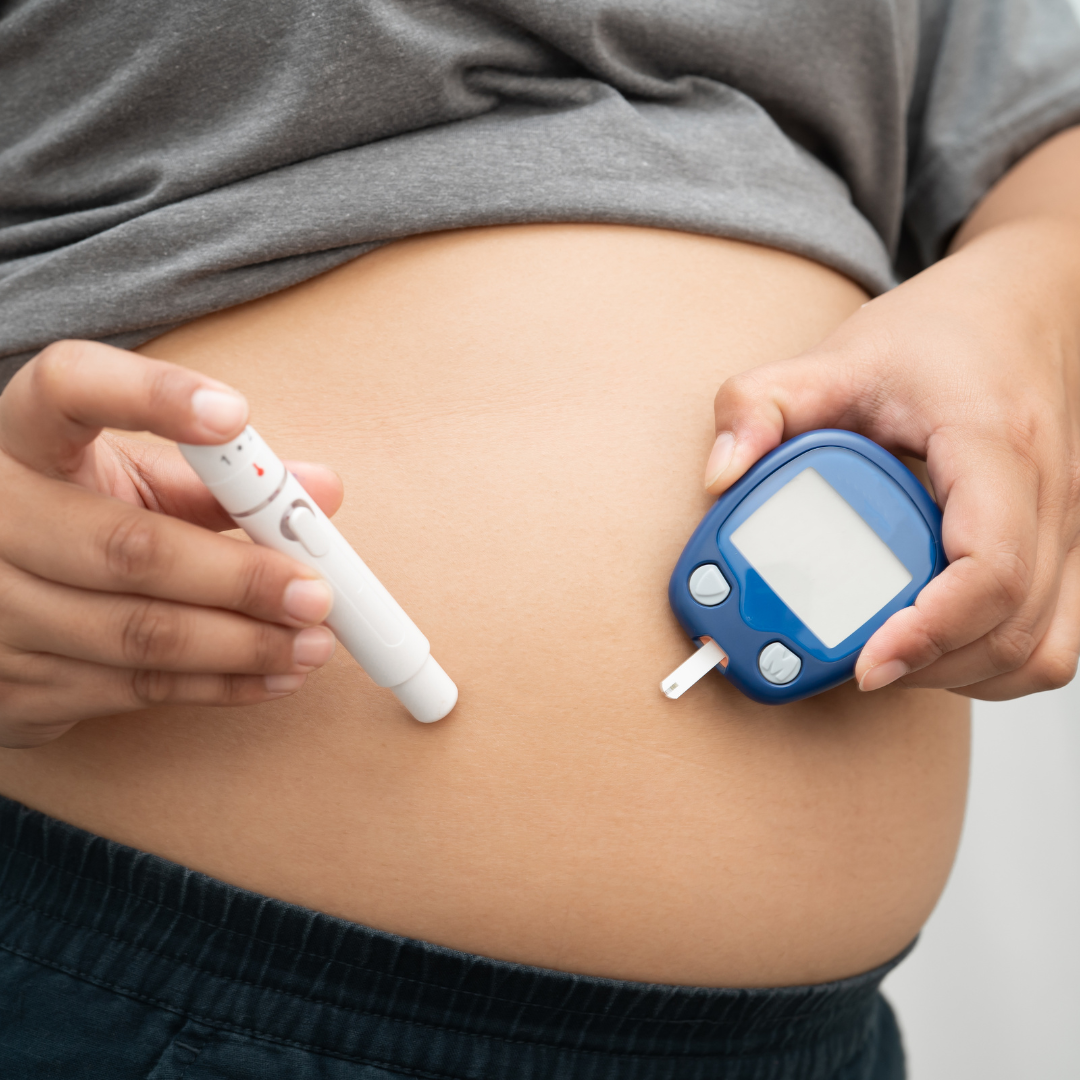
The Limitations of the “Eat Less, Avoid Sugar” Model
Traditional weight loss advice often centers around cutting carbohydrates and reducing overall calorie intake. While this approach can produce short-term results, it does not correct the underlying metabolic dysfunction that drives cravings in the first place.
When insulin resistance is present, your body is already struggling to manage glucose effectively. Simply eating less or eliminating carbs without a structured plan can worsen the imbalance.
This reactive approach often fails for several key reasons:
- Blood Sugar Instability: Skipping meals or drastically cutting carbohydrates can lead to rapid drops in blood sugar. This triggers intense cravings for quick energy sources, typically sugar or refined carbs.
- Compensatory Insulin Spikes: When you do consume carbohydrates after restriction, your body may release larger amounts of insulin. This can lead to fat storage and another cycle of energy crashes.
- Hormonal Imbalance: Insulin resistance is closely tied to other hormones, including cortisol and leptin. Disruptions in these hormones can increase hunger signals and reduce satiety, making it difficult to feel full.
- Increased Fat Storage: Chronically elevated insulin levels signal the body to store fat, particularly around the abdomen. This makes weight loss feel nearly impossible even with consistent effort.
Recognizing that cravings are driven by biology, not weakness, is the first step toward long-term metabolic health.
Embracing an Integrative Wellness Perspective
An integrative approach focuses on restoring balance across multiple systems rather than targeting one symptom. Insulin resistance is not isolated. It is influenced by nutrition, stress, sleep, activity, and inflammation.
1. Blood Sugar Regulation and Metabolic Flexibility
Insulin resistance reduces your ability to switch between burning glucose and burning fat. This metabolic inflexibility keeps your body dependent on frequent carbohydrate intake.
Improving insulin sensitivity allows your body to access stored fat for energy, reducing the need for constant snacking and stabilizing energy levels throughout the day.
2. The Stress and Cortisol Connection
Chronic stress plays a major role in insulin resistance. Elevated cortisol increases blood sugar levels and signals the body to release more insulin. Over time, this contributes to fat storage and stronger cravings.
When your nervous system is constantly in a heightened state, your body prioritizes survival over fat burning. Managing stress is essential for restoring insulin balance.
3. Inflammation and Cellular Signaling
Low-grade chronic inflammation interferes with insulin signaling at the cellular level. This means your cells become less responsive to insulin, forcing the body to produce more of it.
This cycle contributes to fatigue, cravings, and difficulty losing weight. Reducing inflammation improves how your body processes nutrients and regulates hunger.
Expert Strategies to Reduce Cravings and Restore Insulin Sensitivity
1. The Nutritional Pivot: Glucose Leveling and Protein
When your metabolism is stuck, simply cutting more calories can damage your hormonal health. You must change the hormonal impact of the food you consume.
- The “Fiber First” Strategy: Consuming a green starter or fiber before carbohydrates slows down gastric emptying. This reduces the glucose spike and subsequent insulin surge, preventing the “crash” that leads to more cravings.
- Leverage the Thermic Effect of Food (TEF): Increasing protein intake is one of the fastest ways to jumpstart a metabolism. Protein requires more energy to digest and provides the building blocks for lean muscle mass, which is your body’s largest “sink” for glucose disposal.
2. Introduce Physical Novelty through Hypertrophy
To break a plateau caused by insulin resistance, you must “shock” your muscles into becoming more sensitive to hormonal signals.
- Shift Focus to Resistance Training: Building new muscle fibers creates more insulin receptors on the cell surface. This allows your body to clear glucose from the blood more efficiently with less insulin.
- Post-Meal Movement: A simple ten-minute walk after your largest meal of the day utilizes the “GLUT4” transporters in your muscles to pull glucose out of the bloodstream without requiring a massive insulin spike.
3. Prioritize Deep Circadian Recovery
Poor sleep is a primary driver of insulin resistance. Even one night of partial sleep deprivation can make a healthy person as insulin resistant as a type 2 diabetic the next morning.
- Action: Prioritize eight hours of sleep to suppress the hunger hormone ghrelin and allow the body to perform the metabolic “cleanup” necessary for fat loss.
4. Root-Cause Analysis via VRF Technology
If nutrition and exercise changes yield no results after four weeks, the barrier is likely biochemical.
- Action: Seek advanced diagnostics like VRF Resonant Frequency testing. This technology helps identify the unique hormonal fingerprint and physiological blockages—such as liver congestion or adrenal fatigue—that are keeping your insulin levels high. Addressing the root cause allows the metabolism to function without the “brakes” on.
Personalized Wellness at Vitality Wellness and Weight Loss
At Vitality Wellness and Weight Loss, we understand that hitting a plateau and struggling with cravings are signs that your body needs a sophisticated strategy shift, not just more punishment. We specialize in identifying the unique biological roadblocks that stop progress.
Our personalized wellness plans utilize advanced VRF Technology to identify your unique metabolic rate and hormonal imbalances. By combining diagnostic clarity with targeted nutritional shifts, novel movement protocols, and root-cause analysis, we empower you to conquer insulin resistance and achieve a state of peak vitality.
Stop fighting a losing battle with carb cravings and reclaim your momentum by scheduling your comprehensive metabolic assessment at Vitality Wellness and Weight Loss today.
Frequently Asked Questions (FAQ)
1. What are the most common signs of insulin resistance?
Frequent sugar cravings, energy crashes after meals, increased abdominal fat, brain fog, and difficulty losing weight are common indicators.
2. Why do I still crave carbs even when I am eating enough calories?
If you are insulin resistant, your cells are “starving in the midst of plenty.” Because the insulin signal isn’t working correctly, the sugar in your blood cannot get into your cells for energy. Your brain interprets this as a lack of fuel and triggers cravings for quick-energy carbohydrates.
3. Can insulin resistance be reversed without medication?
Yes, in many cases. By utilizing an integrative approach that includes specific fiber-loading, resistance training, stress management, and circadian alignment, you can significantly improve your cellular sensitivity to insulin naturally.
4. Are all carbohydrates bad if I have insulin resistance?
No. Whole, fiber-rich carbohydrates can support stable blood sugar when consumed in balanced meals. The key is quality and timing.
5. How does VRF Technology help with carb cravings?
VRF Technology identifies which specific organs or hormonal pathways are stressed. If your liver or adrenals are out of balance, it can manifest as uncontrollable cravings. By addressing these specific frequencies, we can help restore biological harmony and reduce the drive for sugar.