

Customized Anti-Inflammatory Diet Plan: Your Simple Spring Gut Health Reset
In the pursuit of peak physical wellness, few hurdles are as mentally and metabolically demanding as the weight loss plateau. You have put in the work, remained disciplined with your nutrition, and stayed consistent with your activity, yet the scale refuses to budge for weeks. In a society that views weight loss as a linear path, this stall is often misinterpreted as a lack of willpower or a sign that you have reached your limit. This frustration is often compounded during the spring season, when we expect our energy to bloom alongside the environment, yet we find ourselves feeling sluggish and bloated.
However, a plateau is rarely a failure of effort. Instead, it is a sophisticated biological response known as metabolic adaptation, frequently driven by an inflamed gut and a taxed immune system. Your body is an evolutionary masterpiece designed for survival, not for constant weight reduction. To conquer a plateau and achieve a true spring reset, you must move beyond the “try harder” mentality and embrace a strategic, medical wellness approach that addresses the underlying inflammatory shifts causing the stall.
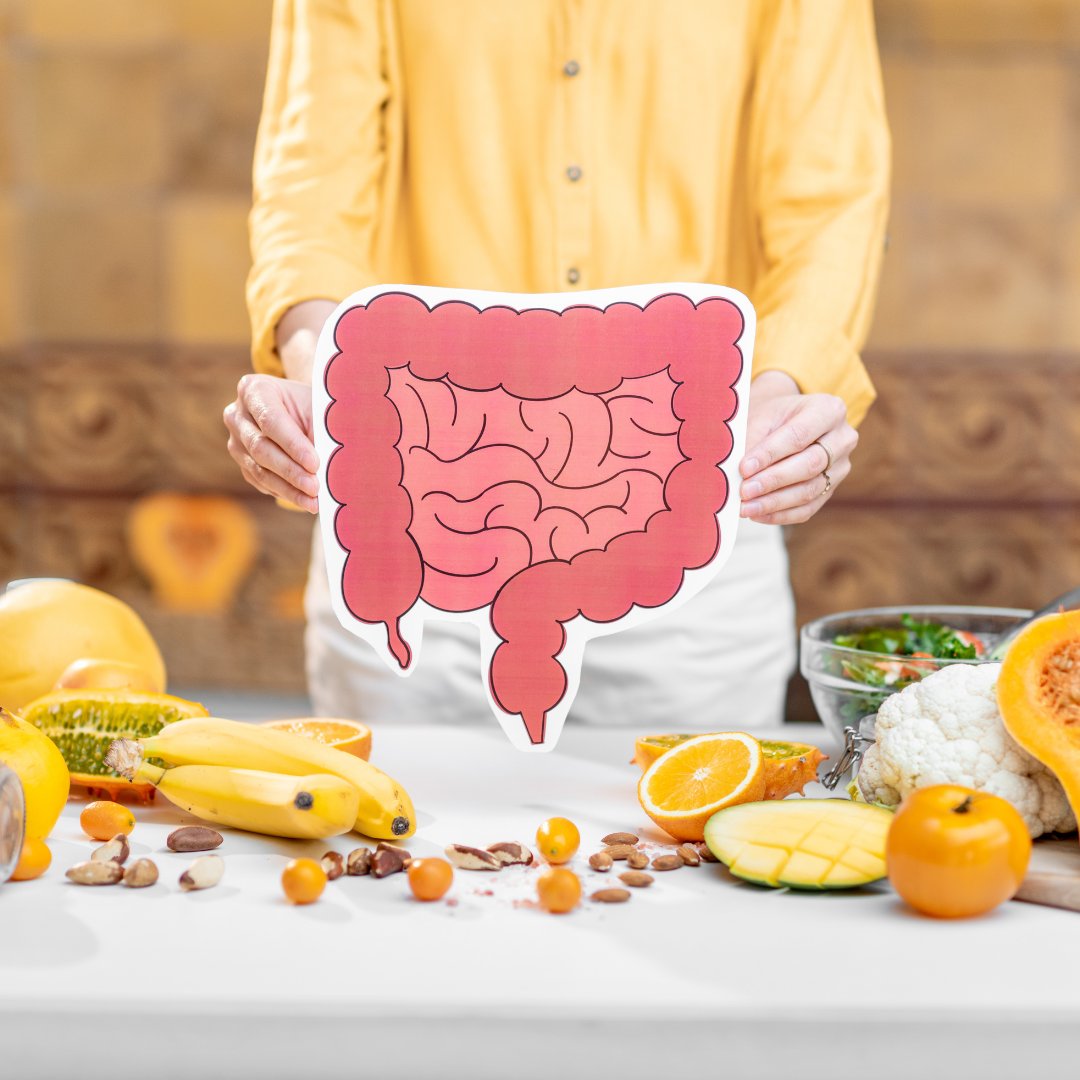
The Limitations of the “Try Harder” Model
Traditional health models often prioritize the scale as the singular metric of success, leading to a narrow perspective that ignores the complexity of human metabolism and gut health. This weight-centric view treats a plateau as a personal failure, frequently prompting individuals to respond with extreme caloric restriction or excessive, punishing exercise. When the gut is inflamed, these aggressive tactics actually backfire by increasing intestinal permeability and systemic stress.
This “push through at all costs” strategy is often counterproductive for several reasons:
- Microbiome Disruption: Extreme restriction can starve beneficial gut bacteria, leading to dysbiosis. This imbalance slows your metabolism and increases the extraction of calories from even small amounts of food.
- Hormonal Defense: Aggressive restriction signals a “famine” state to the brain, triggering a surge in hunger hormones and a suppression of thyroid activity, which is the master regulator of your metabolic furnace.
- Cortisol Accumulation: Overexercising while the body is already inflamed spikes cortisol levels. High cortisol promotes “leaky gut” and leads to water retention, making the scale appear stuck even if you are working harder than ever.
Recognizing that a plateau is a signal from your body to heal your internal environment, not just eat less, is the first step toward long-term success.
Embracing a Holistic Wellness Perspective
A holistic approach to wellness recognizes the interconnectedness of various health dimensions, specifically the link between gut health and metabolic speed. When progress stalls, the solution is often found in the variables that aren’t listed on a food label, such as systemic inflammation.
1. Metabolic Flexibility and the Gut
A plateau often indicates that your body has become too “efficient” at its current routine. To restart progress, you must challenge your metabolic flexibility. This is the body’s ability to switch between burning carbohydrates and burning stored body fat. A healthy gut microbiome produces short-chain fatty acids (SCFAs) like butyrate, which are essential for maintaining this flexibility and keeping inflammation low.
2. The Stress-Recovery Balance
Progress is blocked not just by what you eat, but by how you recover. Chronic plateaus often signal adrenal stress or “gut fatigue.” If your nervous system is stuck in a sympathetic state, your body prioritizes inflammation and defense over fat oxidation. A customized anti-inflammatory diet plan acts as a biological “off-switch” for this stress response.
3. Neuromuscular and Digestive Novelty
The body is exceptionally good at adapting to physical and nutritional stress. If you eat the same five “diet foods” every day, your gut diversity suffers. Introducing seasonal spring produce provides the prebiotic variety needed to shock your digestive system back into a state of high performance.
Expert Strategies for a Spring Gut Health Reset
1. The Nutritional Pivot: Anti-Inflammatory Protein and Fiber
When your metabolism is stuck, simply cutting calories can damage your metabolic health further. You need to shift the quality of your fuel.
- Leverage the Thermic Effect of Food (TEF): Increasing clean protein intake is one of the fastest ways to jumpstart a metabolism. Protein requires more energy to digest and helps preserve the lean muscle mass that drives your metabolic rate.
- Strategic Fiber Loading: Use the spring season to increase your intake of polyphenols and prebiotic fibers. Artichokes, asparagus, and leeks are seasonal powerhouses that nourish the bacteria responsible for suppressing fat-storage signals.
2. Introduce Physical and Biological Novelty
To break a plateau, you must “shock” the system out of its inflammatory efficiency.
- Incorporate HIIT with Care: High-Intensity Interval Training (HIIT) creates an “oxygen debt” that keeps your metabolism elevated. However, ensure you are fueling with anti-inflammatory fats like omega-3s to protect the gut lining from exercise-induced stress.
- Focus on Hypertrophy: Building new muscle fibers creates a permanent increase in your daily caloric burn. Muscle is also a major site for glucose disposal, which helps lower the insulin spikes that drive inflammation.
3. Prioritize Deep Circadian Recovery
Poor sleep is the “locked door” of weight loss and gut repair. During sleep, your body performs “housekeeping” on the gut lining. When you are under-rested, ghrelin increases, driving cravings for the very inflammatory sugars that stall your progress.
- Action: Aim for a “Reset Week” where you prioritize 8 hours of sleep. A rested body manages cortisol better, allowing the gut to heal and fat-burning hormones to resume their work.
4. Root-Cause Analysis via Hormonal Fingerprinting
If nutrition changes yield no results after four weeks, the barrier is likely biochemical and rooted in the gut-hormone axis.
- Action: Seek advanced diagnostics to identify hidden barriers such as insulin resistance, thyroid antibodies, or gut dysbiosis. Utilizing a customized anti-inflammatory diet plan based on your unique biology allows the metabolism to function without the “brakes” of inflammation holding it back.
Personalized Wellness at Vitality Wellness and Weight Loss
At Vitality Wellness and Weight Loss, we understand that hitting a plateau is a sign that your body needs a sophisticated strategy shift, not just more punishment. We specialize in identifying the unique biological roadblocks that stop progress, particularly the silent inflammation that lingers after the winter months.
Our personalized wellness plans utilize advanced VRF Technology to identify your unique hormonal fingerprint and metabolic rate. By combining diagnostic clarity with targeted nutritional shifts, novel movement protocols, and root-cause analysis, we empower you to conquer the stall and achieve a state of peak vitality.
Stop fighting a losing battle with the scale and reclaim your energy by scheduling your comprehensive Spring Gut Health Reset at Vitality Wellness and Weight Loss today.
Frequently Asked Questions (FAQ)
1. Why is the scale a poor measure of progress during a gut reset?
The scale cannot distinguish between fat loss, muscle gain, and inflammatory water retention. During an anti-inflammatory reset, your body may drop significant “water weight” from reduced bloating while simultaneously building muscle, which can keep the scale steady even as your clothes fit better.
2. How do I know if I’m experiencing inflammatory metabolic adaptation?
Common signs include persistent bloating, skin breakouts, joint pain, lower energy levels than usual, and a total halt in weight loss despite eating “healthy” foods that may secretly be triggering your immune system.
3. Does “starvation mode” actually exist in the gut?
While the body won’t stop burning energy, it will downregulate “non-essential” processes. In the gut, this can lead to slower transit times and increased calorie absorption as the body tries to squeeze every bit of energy out of a limited supply.
4. What is the most common hidden barrier in a customized anti-inflammatory diet plan?
Chronic cortisol elevation is the most frequent culprit. High cortisol increases gut permeability, allowing toxins to enter the bloodstream and triggering a systemic inflammatory response that promotes fat storage in the midsection.
5. Can a gut-driven plateau be broken without cutting more calories?
Yes. In many cases, breaking a plateau requires increasing the variety of plant fibers and healthy fats while focusing on gut-healing nutrients like collagen or glutamine to allow the body’s hormonal systems to recover from the stress of chronic inflammation.