

Moving Without Pain and Achieving Lasting Vitality Beyond Weight Loss
Embrace a holistic approach to health that prioritizes energy, mobility, and balance, helping you maintain independence without stressing your joints.
In a culture fixated on rapid weight loss, the true essence of senior wellness often gets lost in the data. While the numbers on a scale provide a snapshot of health, they rarely tell the full story of a person’s quality of life. For older adults, true wellness is defined by functional fitness, which is the physical capacity to perform daily activities with ease, grace, and confidence.
As we age, the primary objective of a wellness program should shift from pure caloric expenditure to the cultivation of physical resilience. This means prioritizing joint health, fall prevention, and mental clarity. By shifting the focus away from restrictive dieting and high-impact strain, we can build a lifestyle that supports healthy aging and lasting independence.
The Hidden Dangers of High-Impact and Weight-Centric Models
Traditional health models often use Body Mass Index (BMI) or total weight as the primary metrics of success. However, for seniors, an exclusive focus on weight loss can be counterproductive and even hazardous. Aggressive caloric restriction without professional guidance often leads to the loss of lean muscle mass rather than fat, a condition that compromises metabolic health.
Furthermore, high-impact exercise routines can be particularly punishing on the aging musculoskeletal system. These activities increase the mechanical load on the skeletal structure, which can lead to several clinical issues:
- Cartilage Degradation: Repetitive high-impact force can accelerate the wearing down of cartilage in the hips and knees.
- Increased Injury Risk: Decreased bone density and slower reaction times make high-impact falls or strains much more dangerous.
- Chronic Pain Flare-ups: High-intensity movements can trigger inflammatory responses in joints already affected by osteoarthritis.
Recognizing these limitations is the first essential step toward embracing a joint-friendly, “strength-first” model that prioritizes longevity over temporary aesthetic changes.
Embracing a Holistic Wellness Perspective
A holistic approach to aging recognizes that the systems of the body are deeply interconnected. To maintain vitality in later years, a wellness strategy must address the following pillars:
1. Metabolic Integrity and Muscle Preservation
Muscle tissue is far more than a tool for movement; it is a primary metabolic organ. Maintaining muscle mass is the single most important intervention for preventing the metabolic slowing that often accompanies aging.
2. Cognitive Health and Emotional Resilience
Wellness is not just physical. Maintaining independence requires mental sharpness and emotional stability. Practicing mindfulness and managing chronic pain levels are critical for preserving a high quality of life.
3. Social Integration and Purpose
Research consistently shows that seniors who engage in community activities or group exercise have better health outcomes. A sense of purpose and social connection acts as a biological buffer against the stressors of aging.
Key Components of Clinical Senior Health
1. Nutrition for Nourishment and Sarcopenia Prevention
Sarcopenia, or the age-related loss of muscle mass, is a significant threat to senior independence. To combat this, nutrition must shift from “eating less” to “nourishing more.”
- Protein-Forward Diet: Seniors require higher amounts of protein to stimulate muscle protein synthesis. Aiming for high-quality, bioavailable protein at every meal is vital for maintaining the strength required for daily tasks.
- Bone-Supporting Nutrients: Adequate intake of Calcium and Vitamin D3 is non-negotiable for preventing osteopenia and osteoporosis.
2. Low-Impact Activity for Vitality and Safety
Low-impact exercise provides the benefits of cardiovascular conditioning and muscle activation without the deleterious effects of joint-loading forces.
- Aquatic Therapy: Swimming or water aerobics provides full-body resistance while the water’s buoyancy removes nearly 90% of the weight-bearing stress on joints.
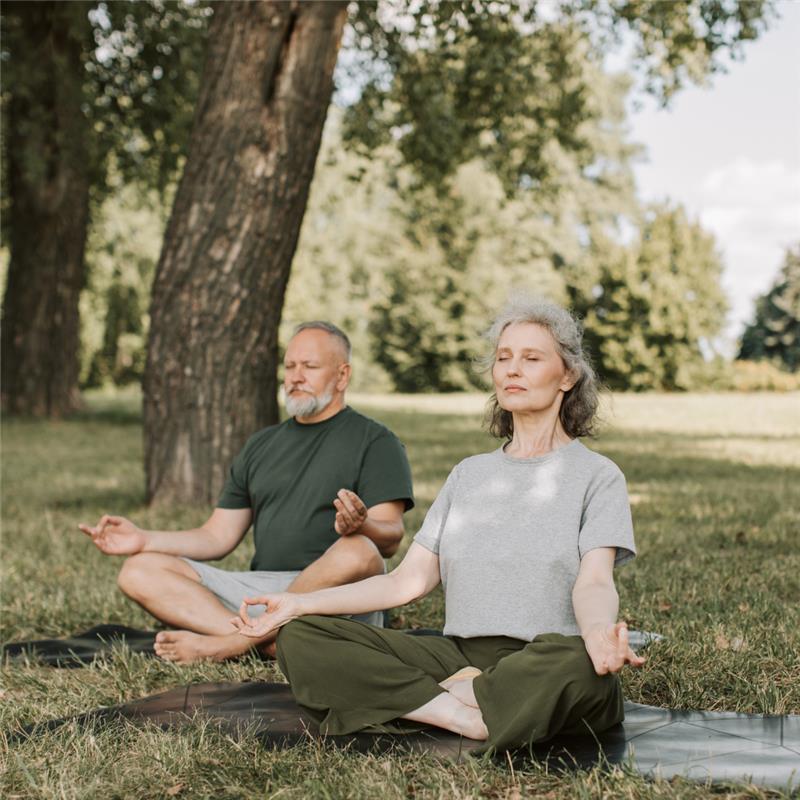
- Tai Chi and Balance Training: Tai Chi is clinically recognized as one of the best tools for fall prevention. It trains the brain and body to coordinate movements slowly and deliberately, improving proprioception.
- Resistance Band Training: Unlike heavy free weights, resistance bands provide “constant tension” through a range of motion, which safely strengthens muscles and supports bone density.
3. Restorative Sleep and Joint Repair
Sleep is the time when the body performs its most critical repairs. For seniors, quality sleep is essential for regulating inflammation and pain sensitivity. Establishing a consistent sleep routine helps the body recover from low-impact activity and supports cognitive function.
Personalized Wellness at Vitality Wellness & Weight Loss
At Vitality Wellness & Weight Loss, we understand that your health journey is unique. We move beyond generic advice by utilizing advanced VRF Technology to identify your unique hormonal fingerprint. This allows us to see exactly where metabolic blockages exist and how to support your body’s natural healing processes.
By combining these diagnostic insights with non-invasive Contour Light® Therapy, we help you lose inches and reduce systemic inflammation without the need for high-impact exercise. Our wellness plans are specifically designed to help you reclaim your energy and maintain your independence through evidence-based nutritional counseling and specialized support for conditions like neuropathy.
Stop fighting your biology and start working with it. Schedule your comprehensive wellness assessment today to begin your journey toward pain-free vitality.
Frequently Asked Questions (FAQ)
1. Why is focusing solely on weight loss insufficient for overall senior health?
Focusing only on weight often results in the loss of muscle mass. For seniors, maintaining muscle is much more important than a low number on the scale because muscle protects the joints, prevents falls, and keeps the metabolism active.
2. How does muscle mass affect joint pain in seniors?
Strong muscles act as shock absorbers. When the muscles surrounding the knees and hips are strong, they take the pressure off the joint itself, which can significantly reduce the pain associated with arthritis.
3. What is the single best exercise for fall prevention?
Modalities that focus on stability and weight-shifting, such as Tai Chi or specific balance exercises, are the most effective. These exercises improve the communication between your brain and your stabilizing muscles.
4. Can I still lose weight with low-impact exercises?
Absolutely. Consistent low-impact movement like walking or swimming, when combined with a nutrition plan high in protein and fiber, creates a healthy caloric deficit that encourages fat loss while protecting your muscle tissue.
5. How does VRF Technology help seniors specifically?
VRF Technology allows us to see which of your body’s systems are under stress. This helps us tailor your nutrition and activity to your specific needs, ensuring you have the energy required to stay active and independent.