

Men’s Health Focus: The Science of Overcoming Stubborn Abdominal Fat
Learn why traditional dieting often fails against abdominal fat and discover the hormonal, nutritional, and lifestyle keys to a healthier waistline and improved metabolic longevity.
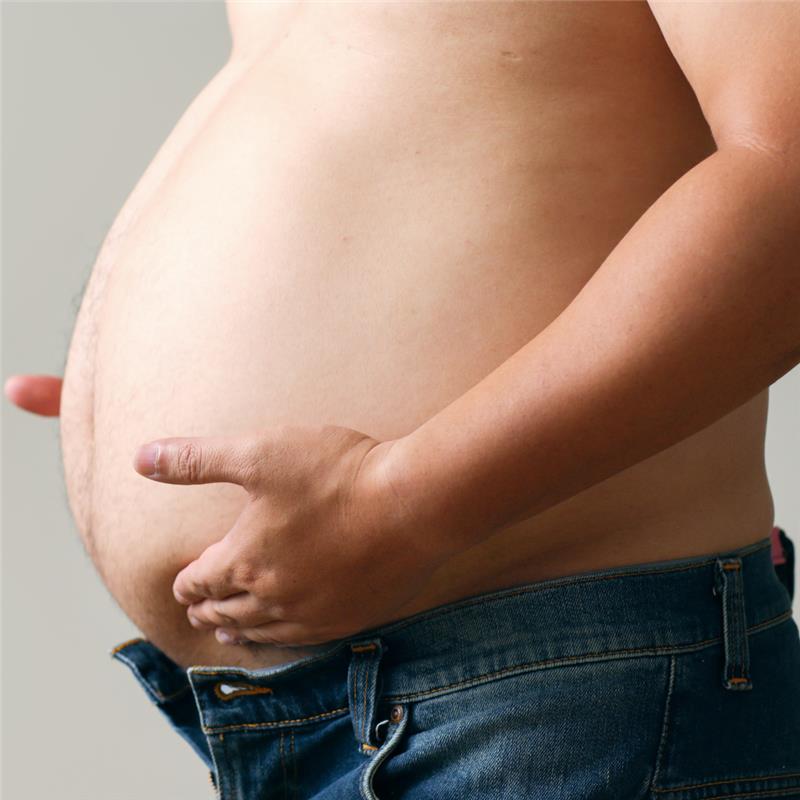
For many men, the most persistent and frustrating barrier to optimal wellness is the accumulation of stubborn belly fat. This concern is far more than a matter of aesthetics or fitting into a smaller waist size. Excess abdominal adipose tissue, specifically visceral fat, represents a significant clinical risk factor. Unlike the fat found in other areas of the body, visceral fat is stored deep within the abdominal cavity, where it wraps around vital organs such as the liver, pancreas, and intestines.
While the natural instinct is to respond with aggressive caloric restriction or excessive abdominal exercises, these methods often fail to address the underlying physiology. True success in reducing the waistline requires a sophisticated, holistic strategy that targets the root biochemical drivers: hormonal signaling, chronic inflammatory stress, and metabolic efficiency.
The Clinical Dangers of Visceral Fat
To effectively address abdominal weight, one must understand the difference between subcutaneous fat and visceral fat. Subcutaneous fat is the layer located directly beneath the skin. While it may be undesirable from a cosmetic standpoint, it is relatively inert.
Visceral fat, however, is an active endocrine organ. It secretes inflammatory cytokines and signaling molecules known as adipokines. These compounds interfere with the body’s normal hormonal functions and significantly increase the risk for a host of chronic conditions, including:
- Coronary Artery Disease: Visceral fat contributes to plaque buildup in the arteries.
- Type 2 Diabetes: The inflammatory nature of this fat is a primary driver of insulin resistance.
- Hypertension: Excess abdominal pressure and systemic inflammation contribute to elevated blood pressure.
- Hormonal Suppression: High levels of abdominal fat can lead to the aromatization of testosterone into estrogen, further exacerbating weight gain.
For men, a waist circumference exceeding 40 inches serves as a critical medical marker, indicating a high risk of metabolic syndrome. Success is not defined merely by a lower number on the scale, but by the systemic reduction of this dangerous internal fat.
Embracing a Targeted, Evidence-Based Strategy
A successful intervention for reducing belly fat requires moving beyond the “calories in vs. calories out” model. We must consider the interconnectedness of specific physiological dimensions that disproportionately influence male fat storage patterns.
1. Hormonal Optimization (The Testosterone-Insulin Axis)
In the male body, fat storage is heavily dictated by the balance between testosterone and insulin. Testosterone is a powerful thermogenic hormone that helps maintain muscle mass and utilize fat for fuel. When testosterone levels decline, insulin sensitivity often follows suit. This creates a feedback loop where the body is chemically primed to store energy as abdominal fat rather than utilizing it for cellular function.
2. Cortisol and the Stress-Belly Connection
The adrenal glands release cortisol in response to stress. In a prehistoric context, this was a survival mechanism. In the modern world, chronic stress leads to sustained high levels of cortisol. Scientific research has confirmed that high cortisol levels act as a signal to the body to redistribute fat stores specifically to the abdominal region. This is often referred to as a “stress belly,” and it cannot be solved by diet alone without addressing the underlying nervous system state.
3. Nutritional Precision
Quality and timing are just as important as quantity. A diet high in processed carbohydrates and refined sugars creates chronic spikes in insulin. Because insulin is a storage hormone, frequent spikes ensure that fat-burning pathways remain “locked.”
Key Components of the Abdominal Fat Solution
1. Nutritional Protocols to Restore Insulin Sensitivity
The goal of nutrition should be to lower the total insulin load on the body. This allows the liver to switch from fat-production mode to fat-oxidation mode.
- Prioritize High-Leucine Protein: Protein has the highest thermic effect of food, meaning your body burns more energy digesting it than it does fats or carbs. Aim for high-quality sources such as grass-fed beef, poultry, or wild-caught fish to preserve lean muscle tissue.
- Eliminate Liquid Sugars: Fructose, particularly in liquid form like soda or excessive alcohol, is metabolized almost exclusively by the liver. When the liver is overwhelmed, it converts that sugar directly into visceral fat.
- Increase Soluble Fiber: Fiber found in vegetables and legumes slows down the rate of glucose absorption. This blunts the insulin spike following a meal and supports a healthy gut microbiome, which is increasingly linked to lower levels of abdominal inflammation.
2. Functional Exercise: Beyond Steady-State Cardio
While walking and moderate activity are excellent for general health, they are often insufficient for mobilizing deep visceral fat. To change the hormonal environment, men should focus on:
- Resistance Training: Lifting weights increases the body’s basal metabolic rate. Every pound of muscle gained increases the number of calories burned at rest.
- High-Intensity Interval Training (HIIT): Brief bursts of intense effort followed by recovery periods have been shown to be superior to steady-state cardio for reducing visceral fat specifically, likely due to the acute surge in growth hormone.
3. Sleep Hygiene as a Metabolic Tool
Sleep is the primary time for hormonal restoration. During deep sleep cycles, the body pulses growth hormone and regulates ghrelin (the hunger hormone) and leptin (the fullness hormone). Chronic sleep deprivation—less than seven hours per night—leads to increased insulin resistance and a higher likelihood of overeating processed foods the following day.
Personalized Wellness at Vitality Wellness and Weight Loss
At Vitality Wellness and Weight Loss, we specialize in creating personalized plans that acknowledge the unique physiology of the male body. We understand that “one-size-fits-all” advice is the reason many men fail to see results despite their best efforts.
Our approach focuses on comprehensive health markers that go beyond the scale. By utilizing advanced metrics and integrating targeted nutritional protocols with stress-management strategies, we empower men to overcome stubborn belly fat and achieve lasting metabolic health.
Take the first step toward reclaiming your health and performance by scheduling your personalized men’s wellness consultation today.
Frequently Asked Questions (FAQ)
1. Why do men tend to store fat in their abdomen specifically?
Men naturally possess a higher concentration of receptors for fat-storage hormones in the abdominal area. Additionally, as testosterone levels fluctuate or decline with age, the body loses its natural defense against visceral fat accumulation.
2. Is alcohol consumption directly related to belly fat?
Yes. Alcohol provides empty calories and disrupts the liver’s ability to oxidize fat. Furthermore, “beer bellies” are often caused by the high glycemic load of the carbohydrates in alcohol, which triggers the insulin-driven storage of fat in the midsection.
3. Will doing hundreds of sit-ups get rid of my belly fat?
No. This is the myth of “spot reduction.” While sit-ups strengthen the underlying abdominal muscles, they do not burn the fat covering those muscles. Fat loss occurs systemically through a combination of hormonal balance, nutritional discipline, and full-body movement.
4. How can I measure my visceral fat risk at home?
The most reliable DIY method is a waist-to-hip ratio or a simple waist circumference measurement. For men, a waist measurement over 40 inches indicates a significant clinical risk, regardless of your total body weight.
5. How does aging affect the male waistline?
Aging typically involves a gradual decline in testosterone and an increase in cortisol sensitivity. This “hormonal shift” makes it easier to gain visceral fat and harder to maintain muscle mass. This is why metabolic testing and personalized wellness plans become more critical as men enter their 30s, 40s, and 50s.