

Why Prioritizing Protein is the Secret to Sustainable Weight Loss and Vitality
Embrace a holistic approach to health that transcends the scale by focusing on how protein optimizes metabolism, preserves vital muscle mass, and regulates hunger hormones for long-term success.
In a modern culture dominated by rapid weight-loss trends, the underlying biological requirements for a healthy metabolism are often ignored. While the numerical value on a scale offers a basic snapshot of progress, true wellness is far more complex. It encompasses metabolic efficiency, hormonal regulation, and physical resilience. For individuals seeking a permanent transformation, the strategic use of protein is not just an option; it is a clinical necessity.
By shifting the focus from simple caloric restriction to the optimization of macronutrient quality, you provide your body with the chemical signals it needs to burn fat while protecting lean tissue. This shift allows for a more fulfilling lifestyle where weight management becomes a natural byproduct of a well-nourished system.
The Biological Limitations of Weight-Centric Health Models
Traditional health models often oversimplify weight loss as a matter of “eat less, move more.” This weight-centric perspective frequently results in aggressive caloric deficits that fail to prioritize protein intake. From a medical wellness standpoint, this is a dangerous oversight.
When the body is in a caloric deficit without adequate protein, it enters a catabolic state. In this state, the body breaks down its own skeletal muscle to access necessary amino acids. The loss of muscle mass is detrimental because muscle is the primary driver of your basal metabolic rate. As muscle mass declines, the metabolism slows down, which often leads to the dreaded “rebound” weight gain. Recognizing these physiological limitations is the first step toward building metabolic resilience through protein-focused nutrition.
Embracing a Holistic Wellness Perspective
A holistic approach to wellness views protein as a structural and chemical bridge between the various dimensions of health. Protein is not merely “fuel”; it is the foundation of cellular repair and hormonal signaling.
- Metabolic Function: Protein has the highest Thermic Effect of Food (TEF) of any macronutrient. Your body must expend significant energy just to break down, absorb, and process protein, effectively increasing your metabolic rate through digestion alone.
- Hormonal Regulation: Adequate protein intake facilitates the production of peptide hormones that communicate satiety to the brain, helping you manage appetite without the psychological stress of constant hunger.
- Physical Resilience: Muscle is the “organ of longevity.” Protein provides the essential amino acids required to repair tissue and maintain bone density, which are critical as we age.
- Cognitive and Emotional Stability: Amino acids are the precursors to neurotransmitters like dopamine and serotonin. A protein-rich diet supports the mental clarity and emotional balance needed to stay committed to your wellness journey.
The Protein Advantage: Key Components of Metabolic Health
1. Mastering the Satiety Signal
Effective weight loss is rarely achieved through willpower alone. To succeed, you must work with your body’s endocrine system. Protein consumption triggers the release of Cholecystokinin (CCK), Glucagon-like Peptide-1 (GLP-1), and Peptide YY (PYY). These hormones send powerful signals to the hypothalamus to suppress hunger and increase feelings of fullness.
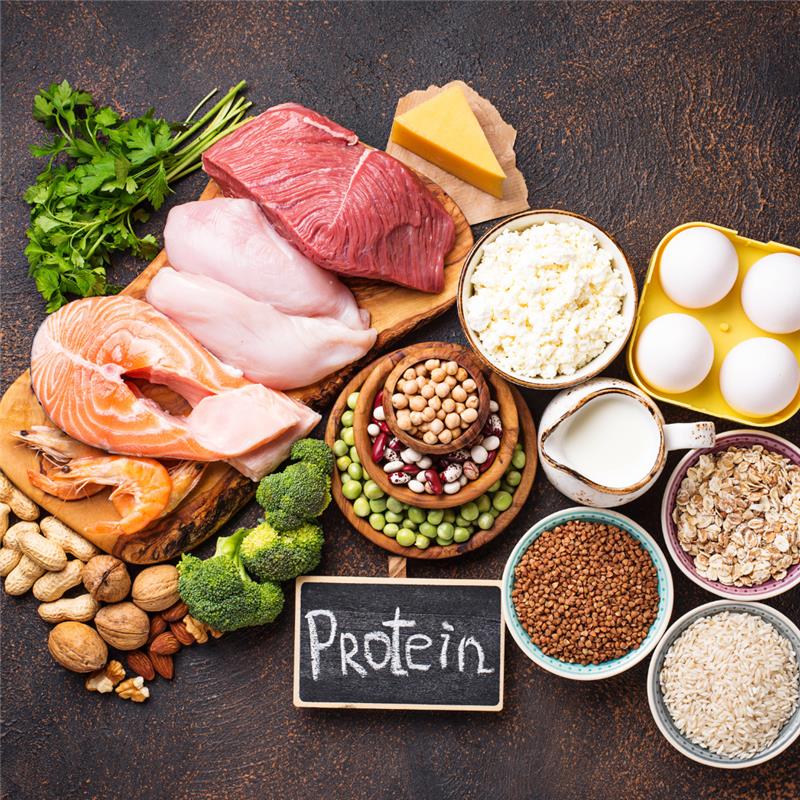
Practical Takeaway: Aim to include 20 to 30 grams of high-quality protein—such as wild-caught fish, lean poultry, eggs, or plant-based legumes—at every meal. This prevents the “blood sugar roller coaster” that leads to evening cravings and impulsive snacking.
2. Muscle Preservation and the “Afterburn”
While cardiovascular activity is excellent for heart health, it can sometimes lead to muscle loss if not supported by nutrition. Muscle tissue is metabolically expensive, meaning it burns calories even when you are at rest. Protein ensures that the weight you lose comes from adipose tissue (fat) rather than your hard-earned muscle.
Practical Takeaway: To maximize the benefits of your physical activity, consume a protein-rich snack or meal within sixty minutes of exercise. This provides the necessary amino acids to initiate muscle protein synthesis and repair micro-tears in the tissue.
3. Leveraging the Thermic Effect of Food (TEF)
Not all calories are processed equally by the body. Protein is metabolically “expensive” to digest. Research indicates that approximately 20 to 30 percent of the calories in protein are burned off during the digestion process. In contrast, carbohydrates require only 5 to 10 percent, and fats require almost zero to 3 percent.
Practical Takeaway: By increasing the percentage of your total calories that come from protein, you are essentially increasing your resting metabolic rate. This creates a more efficient “internal furnace” that supports fat loss.
4. Stabilizing Energy and Managing Stress
Chronic stress often leads to dysregulated blood sugar, which triggers the release of cortisol. High cortisol levels promote the storage of visceral fat around the midsection. Protein helps stabilize blood glucose levels, preventing the energy crashes that lead to fatigue, irritability, and a reliance on sugary “quick fixes.”
Practical Takeaway: Prioritize a high-protein breakfast. Starting your day with Greek yogurt or eggs instead of sugary cereal sets a metabolic tone for the day, reducing the likelihood of a mid-afternoon energy slump.
Personalized Wellness Plans at Vitality Wellness and Weight Loss
At Vitality Wellness and Weight Loss, we recognize that every metabolism is unique. We move beyond generic dietary advice by utilizing advanced diagnostics to determine the exact protein requirements your body needs to thrive. Our personalized wellness plans are designed to address your specific metabolic rate, hormonal profile, and lifestyle goals.
By integrating precision nutritional guidance with comprehensive support for muscle preservation and energy stability, we empower you to achieve lasting wellness. We believe that by harnessing the clinical power of protein, you can unlock a state of health that is sustainable, resilient, and life-changing.
Discover your unique metabolic requirements and start your journey toward peak vitality by scheduling your personalized wellness assessment at Vitality Wellness and Weight Loss today.
Frequently Asked Questions (FAQ)
1. Why is focusing solely on weight loss insufficient for overall health?
Weight is a singular metric that does not distinguish between fat and muscle. Losing weight at the expense of muscle mass slows your metabolism and increases the risk of frailty. True health is measured by body composition and metabolic efficiency.
2. How much protein do I actually need to lose weight effectively?
While individual needs vary based on age and activity level, a common clinical target for active adults is 0.8 to 1.2 grams of protein per pound of lean body mass. Distributing this intake across three to four meals is the most effective way to stimulate muscle synthesis.
3. What role does protein play in curbing nighttime cravings?
Because protein is the most satiating macronutrient, eating adequate amounts throughout the day keeps your hunger hormones in check. When your body feels chemically nourished, you are far less likely to experience the “survival-driven” hunger that leads to late-night binging.
4. Can I achieve wellness without focusing on weight loss?
Absolutely. Focusing on “body recomposition”—building muscle while losing fat—is often better for your health than just losing weight. This improves bone density, energy levels, and insulin sensitivity, even if the number on the scale stays relatively stable.
5. How can I begin maximizing my protein intake today?
Start by identifying one meal that is currently low in protein—often breakfast or lunch—and swap out refined carbohydrates for a protein source. Tracking your intake for three days can provide an eye-opening baseline for where you can improve.