

Decoding Your Digestion Using VRF Resonant Frequency Technology for a Balanced Gut
Many people focus on diet and exercise when trying to improve their health, but often overlook one of the most important systems in the body: the gut. Digestive health plays a central role in energy levels, metabolism, immune function, and even mood. When the gut is out of balance, it can create a chain reaction that affects nearly every aspect of your well-being.
Common symptoms such as bloating, fatigue, food sensitivities, brain fog, and difficulty losing weight are frequently linked to digestive imbalance. While these symptoms are widespread, the underlying causes can vary significantly from person to person.
This is where advanced tools like VRF Resonant Frequency Technology provide a new level of insight. By identifying imbalances in the body’s internal systems, this approach helps guide more precise and personalized wellness strategies.
Why Gut Health Matters More Than You Think
The digestive system does far more than break down food. It is a complex network that interacts with multiple systems throughout the body.
Nutrient Absorption: The gut is responsible for absorbing vitamins, minerals, and macronutrients. Poor gut health can lead to deficiencies even when diet appears balanced.
Immune Function: A large portion of the immune system is located in the gut. Imbalances in gut bacteria can weaken immune defenses and increase inflammation.
Metabolic Health: Gut bacteria influence how the body processes carbohydrates, fats, and proteins. They also play a role in regulating blood sugar and fat storage.
Brain and Mood Connection: The gut and brain communicate through what is known as the gut-brain axis. Imbalances in the gut can contribute to stress, anxiety, and reduced mental clarity.
Because of these connections, improving gut health is often a key step in achieving sustainable weight loss and overall wellness.
The Limitations of Traditional Approaches
Many individuals attempt to improve digestion by following general recommendations such as increasing fiber intake, drinking more water, or taking over-the-counter supplements. While these steps can be helpful, they do not address the root cause of imbalance.
Several challenges limit traditional approaches:
Lack of Personalization: General advice does not account for individual differences in gut bacteria, sensitivities, or metabolic function.
Trial and Error: Without clear data, people often try multiple diets or supplements without knowing what is actually effective for their body.
Overlooking Hidden Imbalances: Issues such as inflammation, food sensitivities, or metabolic dysfunction may go undetected without deeper analysis.
To achieve meaningful and lasting results, a more targeted and individualized approach is needed.
What Is VRF Resonant Frequency Technology
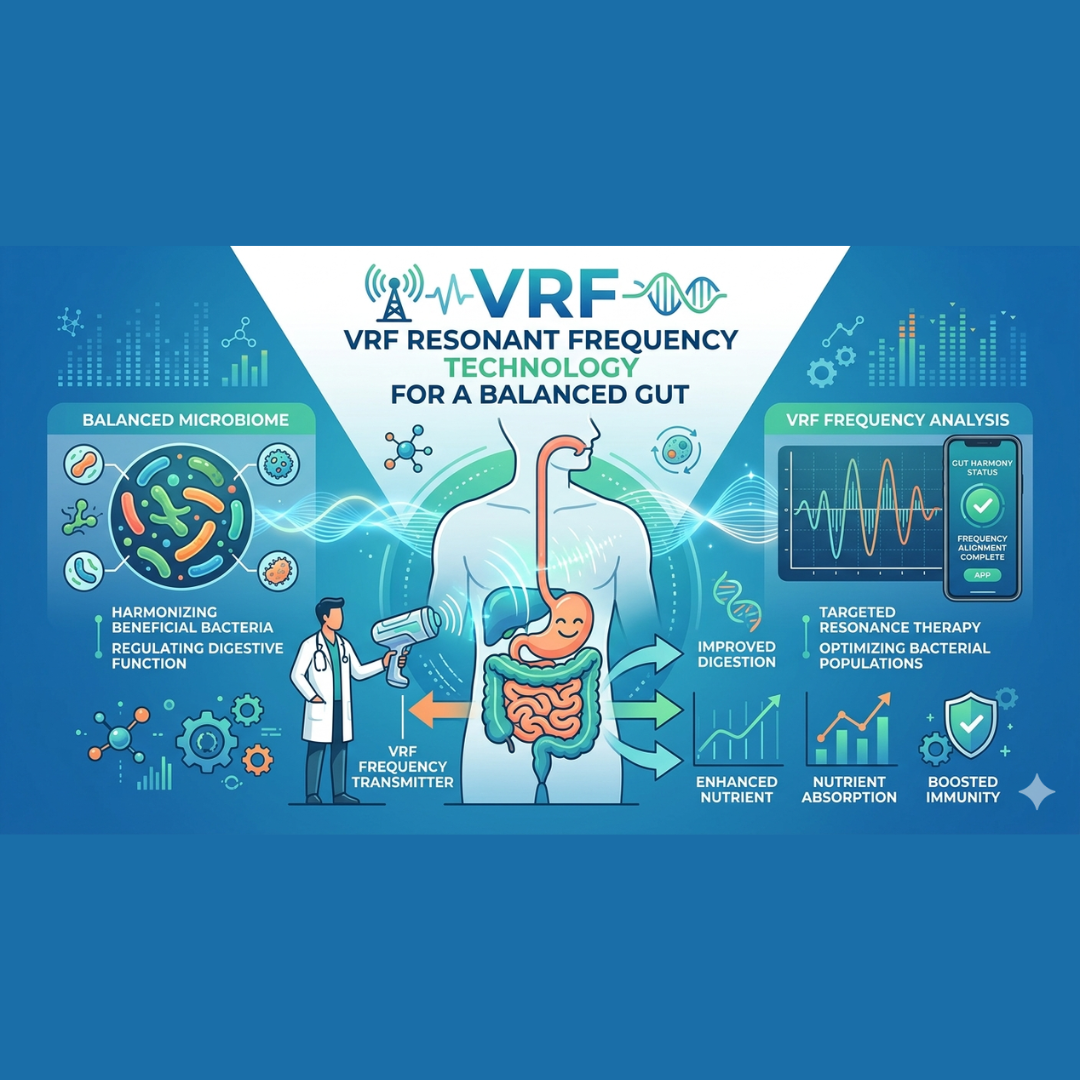
VRF Resonant Frequency Technology is an advanced assessment tool that evaluates the body’s responses to specific frequencies. This process helps identify patterns that may indicate imbalances in areas such as digestion, metabolism, and overall physiological function.
While traditional testing methods often focus on isolated markers, VRF Technology looks at how different systems interact. This provides a broader view of health and allows for more precise recommendations.
Key insights may include:
- Potential food sensitivities
- Indicators of gut imbalance or inflammation
- Nutrient deficiencies
- Stress and hormonal influences affecting digestion
This data-driven approach helps remove guesswork and supports a more strategic path to wellness.
How VRF Technology Supports Gut Health
1. Identifying Food Sensitivities
Many digestive issues are linked to foods that trigger inflammation or irritation. VRF Technology can help highlight potential sensitivities, allowing individuals to adjust their diet more effectively.
Example: If certain foods are contributing to bloating or discomfort, removing or reducing them can improve digestion and reduce inflammation.
2. Supporting Microbiome Balance
The gut microbiome consists of trillions of bacteria that influence digestion and metabolism. An imbalance between beneficial and harmful bacteria can lead to a variety of symptoms.
By identifying areas of imbalance, targeted strategies can be used to support a healthier microbiome through nutrition and lifestyle changes.
3. Addressing Inflammation
Chronic low-grade inflammation in the gut can interfere with nutrient absorption and contribute to weight gain and fatigue.
VRF insights can guide anti-inflammatory strategies, such as incorporating specific nutrients and adjusting dietary patterns.
4. Improving Nutrient Utilization
Even with a healthy diet, the body may not absorb nutrients efficiently if the digestive system is compromised.
By addressing underlying imbalances, individuals can improve how their body uses nutrients, leading to better energy levels and metabolic function.
Practical Steps to Improve Gut Health
While advanced technology provides valuable insights, daily habits play a crucial role in maintaining a healthy digestive system.
1. Focus on Whole, Nutrient-Dense Foods
Choose foods that support gut health, including vegetables, fruits, lean proteins, and healthy fats. These provide essential nutrients and support beneficial bacteria.
2. Increase Fiber Intake Gradually
Fiber feeds beneficial gut bacteria and supports digestion. Introduce fiber slowly to avoid discomfort and allow the gut to adapt.
3. Stay Hydrated
Water supports digestion and helps move food through the digestive tract efficiently.
4. Manage Stress
Chronic stress can disrupt digestion and alter gut bacteria. Incorporate stress management techniques such as walking, deep breathing, or mindfulness practices.
5. Prioritize Sleep
Sleep is essential for regulating the gut-brain connection and supporting overall recovery.
The Role of Gut Health in Weight Loss and Confidence
A balanced gut can significantly impact weight management. When digestion is functioning properly, the body is better able to regulate hunger, absorb nutrients, and maintain energy levels.
Improved gut health often leads to:
- Reduced bloating and discomfort
- More stable energy throughout the day
- Better control of cravings
- Enhanced metabolic efficiency
These changes not only support weight loss but also contribute to greater confidence and overall well-being.
Personalized Wellness at Vitality Wellness and Weight Loss
At Vitality Wellness and Weight Loss, we take a comprehensive approach to health that goes beyond surface-level solutions. We understand that digestive health is a foundational component of lasting wellness.
Our use of advanced VRF Resonant Frequency Technology allows us to assess your body’s unique needs and identify hidden imbalances that may be affecting your progress. From there, we create personalized plans that integrate nutrition, lifestyle changes, and targeted support to restore balance and improve results.
By combining technology with expert guidance, we help clients move from uncertainty to clarity and from frustration to confidence.
This May, take control of your health by decoding your digestion and building a stronger foundation for lasting wellness. Schedule a consultation with Vitality Wellness and Weight Loss and transform your health journey today.
Frequently Asked Questions (FAQ)
1. What are common signs of poor gut health?
Symptoms may include bloating, gas, fatigue, food sensitivities, irregular digestion, and difficulty losing weight.
2. How does gut health affect weight loss?
Gut health influences metabolism, appetite regulation, and nutrient absorption, all of which play a role in weight management.
3. Is VRF Technology safe?
Yes. It is a non-invasive assessment tool designed to provide insights into the body’s functional balance.
4. How long does it take to improve gut health?
Some improvements may be noticed within a few weeks, while deeper changes can take several months depending on the individual.
5. Can gut health improvements increase energy levels?
Yes. Better digestion and nutrient absorption often lead to more consistent energy throughout the day.