

Nerve Pain Relief in February: Is Neuropathy Treatment Right For You?
In the journey toward better health and mobility, few challenges are as discouraging as chronic nerve pain. You may have tried medications, supplements, physical therapy, or lifestyle changes, yet the burning, tingling, numbness, or shooting pain continues to interfere with your sleep, movement, and quality of life. For many people, winter makes symptoms feel even worse as circulation slows and physical activity decreases.
In a health system that often treats neuropathy as an unavoidable complication of aging, diabetes, or injury, persistent symptoms are commonly viewed as something you must simply learn to tolerate.
However, ongoing nerve pain is rarely just a pain problem. It is often the outward sign of deeper biological stress affecting the nervous system and the cardiovascular system at the same time. To determine whether neuropathy treatment is right for you, it is essential to move beyond symptom suppression and adopt a strategic, medical wellness approach that strengthens nerve function, restores blood flow, and improves heart health and systemic resilience.
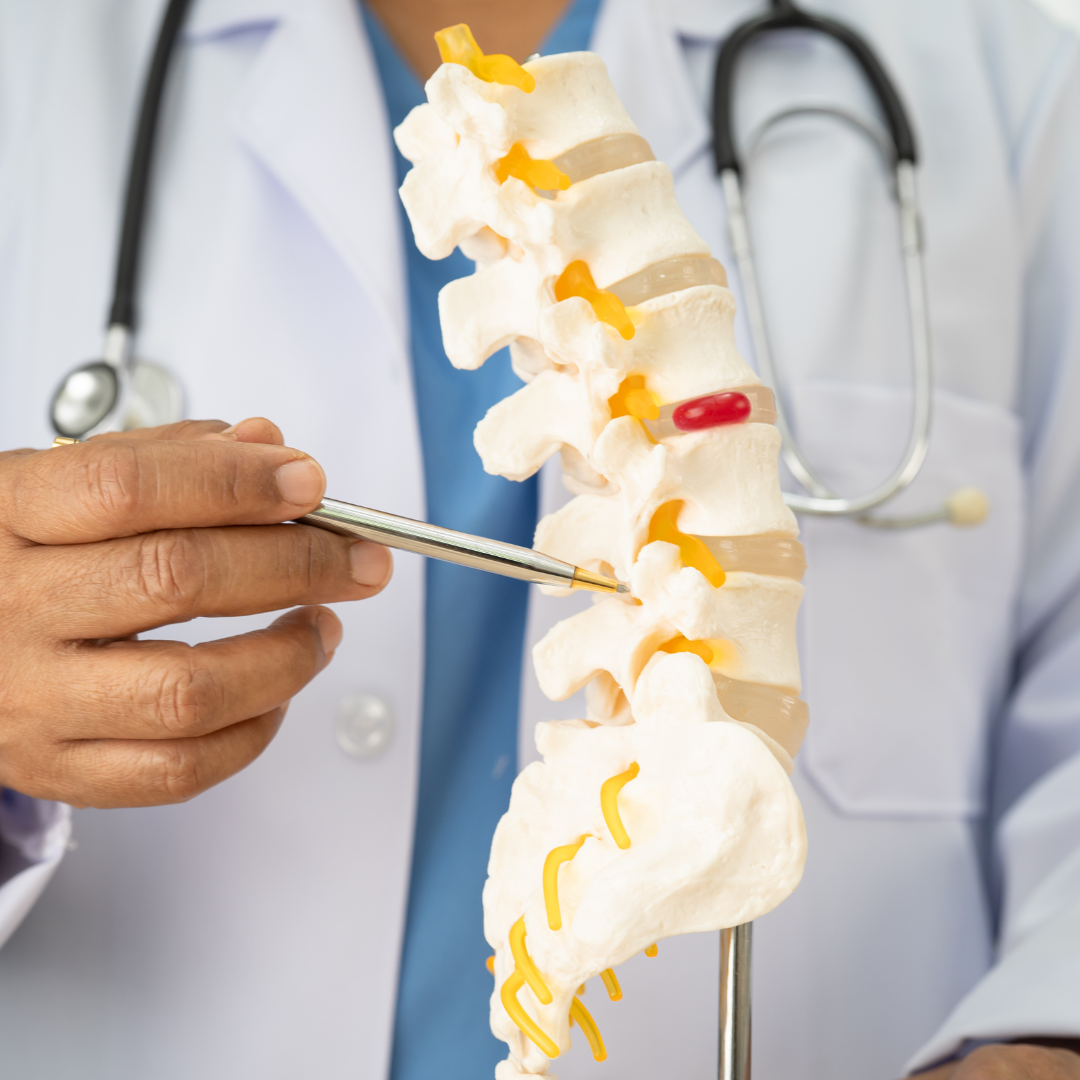
The Limitations of the “Just Manage the Pain” Model
Conventional neuropathy care often focuses on reducing discomfort without addressing why nerve damage and dysfunction developed in the first place. Medications such as anticonvulsants, antidepressants, or topical agents may temporarily reduce pain signals, but they do not repair injured nerves or improve the biological environment needed for healing.
This symptom centered strategy becomes limiting for several key reasons.
Impaired Microcirculation
Peripheral nerves depend on a dense network of tiny blood vessels. Reduced blood flow, known as microvascular dysfunction, limits oxygen and nutrient delivery to nerve tissue. This process is strongly associated with diabetes, hypertension, and early cardiovascular disease.
Chronic Inflammation and Oxidative Stress
Low grade systemic inflammation damages the protective myelin sheath and the small fibers responsible for pain and temperature sensation. Oxidative stress further disrupts nerve signaling and accelerates tissue degeneration.
Metabolic and Cardiovascular Overlap
Neuropathy is closely linked to metabolic syndrome, insulin resistance, and dyslipidemia. These same conditions are well established risk factors for heart attack and stroke. The nervous system and the cardiovascular system decline together when the underlying biology is ignored.
Recognizing that persistent nerve pain is a signal of broader physiological stress, not simply a local nerve issue, is the first step toward meaningful and lasting relief.
Embracing a Heart Centered, Resilience Based Wellness Perspective
A holistic neuropathy program recognizes that nerve recovery depends on the health of the entire system. In particular, heart health and vascular resilience play a central role in restoring nerve function.
1. Vascular Support and Nerve Oxygenation
Peripheral nerves are highly sensitive to reduced perfusion. Research from organizations such as the American Heart Association shows that endothelial dysfunction and poor circulation contribute to nerve ischemia and progressive nerve fiber loss.
Improving vascular flexibility and blood flow helps create the conditions necessary for nerve repair and regeneration.
2. Metabolic Stability and Glucose Control
Elevated blood glucose and insulin resistance directly injure small nerve fibers and impair mitochondrial energy production inside nerve cells. According to the American Diabetes Association, diabetic peripheral neuropathy remains one of the most common complications of long standing glucose dysregulation.
Stabilizing glucose is not only essential for nerve health but also for reducing long term cardiovascular risk.
3. Inflammatory Load and Immune Balance
Chronic inflammatory signaling disrupts nerve conduction and delays healing. It also accelerates arterial plaque formation. Reducing systemic inflammation supports both nerve integrity and cardiac resilience.
Why Neuropathy and Heart Health Are Closely Connected
Neuropathy is not an isolated neurological disorder. It is frequently a marker of compromised cardiovascular and metabolic health.
The National Institute of Neurological Disorders and Stroke highlights that peripheral neuropathy commonly results from metabolic disease, vascular injury, autoimmune conditions, and toxic exposures. Many of these same drivers are major contributors to heart disease.
Small fiber neuropathy, in particular, has been associated with early endothelial dysfunction. This means that nerve symptoms may appear before more obvious signs of cardiovascular disease, creating an important opportunity for early intervention.
Expert Strategies for Improving Nerve Function and Systemic Resilience
1. The Circulation Reset: Targeted Vascular Support
Restoring blood flow to affected nerves is one of the most important foundations of neuropathy care.
Clinical strategies may include:
- Structured low impact aerobic activity to stimulate endothelial function
- Nutritional support rich in nitrates, polyphenols, and omega 3 fatty acids
- Blood pressure and lipid optimization when clinically indicated
Practical Takeaway: A daily walking program, combined with physician guided cardiovascular screening, can improve peripheral circulation and reduce nerve ischemia over time.
2. The Metabolic Pivot: Stabilizing Glucose and Insulin
Even mild elevations in fasting glucose and post meal blood sugar can accelerate nerve damage.
Key components include:
- Moderate carbohydrate intake distributed evenly across meals
- Higher protein and fiber intake to blunt glucose excursions
- Resistance training to improve muscle driven glucose uptake
Practical Takeaway: If your neuropathy is associated with prediabetes or diabetes, continuous glucose monitoring can reveal hidden spikes that worsen nerve irritation.
3. Inflammation Reduction and Cellular Recovery
Chronic inflammation interferes with nerve regeneration and increases cardiovascular risk.
Interventions often focus on:
- Anti inflammatory dietary patterns rich in vegetables, fatty fish, olive oil, and berries
- Adequate vitamin B12, vitamin D, and magnesium levels, all of which support nerve signaling
- Stress regulation strategies to lower cortisol driven inflammatory output
Practical Takeaway: Patients with long standing neuropathy frequently benefit from laboratory evaluation of inflammatory markers and nutrient status to guide targeted supplementation.
4. Neuromodulation and Regenerative Stimulation
Advanced neuropathy programs may incorporate non-invasive neuromodulation and regenerative technologies designed to stimulate nerve signaling, improve local circulation, and encourage tissue repair.
These approaches aim to improve:
- Nerve conduction velocity
- Sensory feedback and balance
- Local oxygen delivery
Practical Takeaway: When combined with metabolic and vascular optimization, neuromodulation therapies often produce better functional improvement than pain medication alone.
Is Neuropathy Treatment Right for You?
You may be a strong candidate for comprehensive neuropathy care if you experience:
- Persistent numbness, burning, or tingling in the feet or hands
- Loss of balance or frequent tripping
- Nighttime nerve pain that disrupts sleep
- A history of diabetes, prediabetes, cardiovascular disease, or metabolic syndrome
Early intervention improves outcomes. Nerve tissue has limited regenerative capacity, but meaningful functional improvement is possible when treatment targets circulation, metabolism, and inflammation together.
Personalized Neuropathy Care at Vitality Wellness and Weight Loss
At Vitality Wellness and Weight Loss, we approach neuropathy as a whole body condition rooted in metabolic stress, vascular compromise, and nervous system overload.
Our personalized neuropathy and wellness programs focus on:
- Identifying circulation and metabolic barriers that impair nerve recovery
- Supporting heart health and vascular resilience alongside nerve rehabilitation
- Integrating targeted nutrition, movement therapy, and advanced non invasive technologies
By addressing both nerve dysfunction and cardiovascular risk factors, our goal is to restore comfort, confidence in movement, and long term resilience.
February is the perfect time to prioritize healing and prevention. Visit Vitality Wellness & Weight Loss this month to start a personalized journey toward a pain-free, resilient future by addressing persistent nerve pain and safeguarding cardiovascular health.
Frequently Asked Questions (FAQ)
1. Can neuropathy really be connected to heart health?
Yes. Reduced microcirculation, endothelial dysfunction, and chronic inflammation affect both peripheral nerves and the cardiovascular system. Improving vascular health supports nerve recovery and reduces long term cardiac risk.
2. Is nerve pain always caused by diabetes?
No. Diabetes is a common cause, but neuropathy can also result from vascular disease, autoimmune disorders, vitamin deficiencies, medication toxicity, and chronic inflammatory conditions.
3. How long does it take to see improvement with comprehensive neuropathy care?
Many patients notice changes in pain intensity, balance, or sensation within several weeks. Meaningful nerve repair and functional recovery typically require consistent care over several months.
4. Will I still need medication?
Some patients continue medication during treatment, especially early on. However, many individuals are able to reduce reliance on pain medications as circulation, metabolic stability, and nerve signaling improve.
5. What is the most important lifestyle change for protecting nerves and the heart at the same time?
Consistent blood sugar control combined with regular, low impact physical activity is one of the most powerful ways to protect both nerve tissue and cardiovascular health.